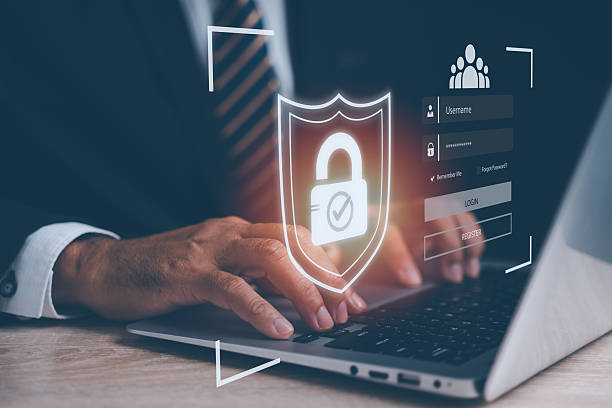

In today’s rapidly evolving educational landscape, managing student data securely and ensuring privacy are top priorities. By adopting Education Management Systems (EMS) platforms, schools can streamline administrative tasks, enhance parent-teacher communication, and improve student data management. However, with this increased reliance on digital tools comes a heightened responsibility to safeguard sensitive information. In this article, we explore how EMS platforms enhance data security and privacy, why these factors matter, and how schools can benefit from implementing a secure EMS.
The Growing Importance of Data Privacy in Nigerian Schools
As Nigerian schools increasingly embrace technology, the need for robust data management systems has never been greater. Schools now handle vast amounts of data, including student records, attendance, grades, and personal information. With this shift to digital platforms, it’s crucial to understand the role of security and privacy in Education Management Systems.
An Education Management System (EMS) is designed to centralize school operations, making processes like attendance tracking, grading, and communication more efficient. While this offers significant benefits, it also exposes sensitive information to potential risks. In particular, schools must protect against unauthorized access, data breaches, and misuse of student information.
Why Security and Data Privacy Are Critical for Schools
1. Protecting Student Information
A school management system stores personal data about students, including their full names, contact details, academic records, and health information. Ensuring that this information is securely stored and shared is paramount. Data breaches can lead to severe consequences, such as identity theft or misuse of sensitive data. An EMS platform with robust security measures ensures that student information is protected and only accessible to authorized users.
2. Building Trust with Parents and Teachers
Parents entrust schools with their children’s personal and academic information. Transparent data privacy policies help build trust between schools, parents, and teachers. EMS platforms that prioritize security offer peace of mind, knowing that their children’s information is handled securely. Additionally, the ability for parents and teachers to communicate effectively through secure channels fosters a positive relationship and enhances the overall educational experience.
3. Compliance with Regulations
In Nigeria and globally, data protection laws such as the General Data Protection Regulation (GDPR) in Europe and local Nigerian policies require that educational institutions follow strict data privacy protocols. Failure to comply with these regulations can lead to legal penalties and reputational damage. EMS platforms are designed to meet these requirements, ensuring that schools remain compliant and avoid legal complications.
Key Features of Secure EMS Platforms
1. Secure Access Control
One of the primary ways EMS platforms protect student data is through secure access control mechanisms. Schools can define user roles and permissions, ensuring that only authorized personnel have access to sensitive information. This helps prevent unauthorized access and ensures that data is viewed or modified only by those with the proper clearance.
2. Data Encryption
Data encryption is a crucial feature in any secure EMS platform. It ensures that all data transferred over the network is encrypted and unreadable by unauthorized parties. This protects the privacy of student data both during transmission and when stored on servers.
3. Real-time Monitoring and Auditing
An EMS platform enables real-time monitoring of access logs, allowing schools to track who is accessing data and when. This provides transparency and accountability, making it easier to detect and respond to potential security breaches.
4. Data Backup and Recovery
A comprehensive data backup and recovery system ensures that school data is not lost in the event of hardware failure or cyberattacks. EMS platforms provide automated backups, enabling schools to restore lost data and minimize operational disruptions quickly.
5. Secure Parent-Teacher Communication
Effective communication between parents and teachers is vital for student success. EMS platforms provide secure communication channels that allow teachers and parents to exchange messages, share updates, and discuss student performance. With secure messaging, sensitive discussions, such as academic progress or behavioral concerns, are protected from external threats.
The Pros and Cons of Cloud-Based EMS Platforms
Pros:
- Scalability and Flexibility
- Cloud-based EMS platforms allow schools to scale their systems as needed. Whether managing a small school or a large institution, cloud systems can handle varying data volumes. Additionally, cloud solutions offer flexibility in terms of accessing data from anywhere, making it easier for educators and administrators to work remotely.
- Cost-Effectiveness
- Cloud-based EMS platforms eliminate the need for expensive infrastructure, such as on-site servers and IT staff. Schools can pay for what they use, making it a more cost-effective solution, especially for smaller institutions with limited budgets.
- Automatic Updates and Maintenance
- Cloud providers handle updates and maintenance, ensuring the system stays up to date with the latest features and security patches. This reduces the burden on school IT departments and ensures that the system remains secure and reliable.
Cons:
- Internet Dependency
- Cloud-based systems rely on a stable internet connection. In areas with unreliable internet access, such as some regions of Nigeria, this can pose challenges for effective use of the EMS platform.
- Data Security Risks
- While cloud providers invest heavily in security, schools still need to ensure that data is protected when stored in the cloud. It’s crucial to select EMS platforms that use robust encryption, implement secure access controls, and comply with local data privacy regulations to minimize risks.
How ExcelMind Addresses Security and Data Privacy
At ExcelMind, we understand the importance of data security and privacy. Our EMS platform is designed with robust features to protect your school’s data. With end-to-end encryption, secure user access controls, and real-time monitoring, we ensure that your student data is safeguarded against unauthorized access. We also provide automated data backups and seamless recovery options, so your data is always secure, even in the event of unforeseen disruptions.
Conclusion
In conclusion, security and data privacy are crucial elements in any Education Management System. Schools that adopt secure EMS platforms, such as ExcelMind, can ensure that student data is protected, that parents and teachers can communicate securely, and that the school remains compliant with data privacy laws. By choosing a platform that prioritizes data security, schools can enhance operational efficiency while safeguarding their students’ privacy.
Key Takeaways:
- Education Management Systems protect sensitive student data through secure access controls, encryption, and real-time monitoring.
- EMS platforms foster trust between parents and schools through secure communication channels.
- Cloud-based EMS platforms offer scalability and cost-effectiveness but require a reliable internet connection.
- ExcelMind prioritizes security, offering features such as end-to-end encryption, backup, and recovery.
FAQs
1. What is an Education Management System (EMS)?
An EMS is a software platform that helps schools manage administrative tasks, including student data management, attendance tracking, grading, and communication with parents and teachers.
2. Why is data privacy important in Education Management Systems?
Data privacy safeguards sensitive student information from unauthorized access, preventing misuse and ensuring compliance with privacy regulations.
3. How does ExcelMind secure student data?
ExcelMind employs encryption, secure access controls, automated backups, and real-time monitoring to safeguard student data and ensure privacy.
4. Can cloud-based EMS systems be used in areas with unreliable internet?
While cloud-based EMS platforms require a stable internet connection, schools in regions with limited connectivity can explore hybrid solutions that combine offline capabilities with cloud storage for data synchronization when online access is available.